Male Fertility: Causes, Symptoms, Natural Ways to Improve Sperm Health & When to See a Doctor


Click here for all-natural male fertility breakthrough that’s in Fertility Factor 5®.
Male fertility plays a crucial role in successful conception. In fact, male-related factors contribute to nearly 40–50% of infertility cases worldwide. Understanding how male fertility works, what affects sperm health, and how to naturally improve reproductive function can significantly increase the chances of pregnancy.
In this comprehensive guide, you’ll learn about sperm production, common causes of infertility, warning signs, medical treatments, and natural strategies to boost male fertility safely and effectively.
What Is Male Fertility?
Male fertility refers to a man’s ability to impregnate a female partner. It primarily depends on:
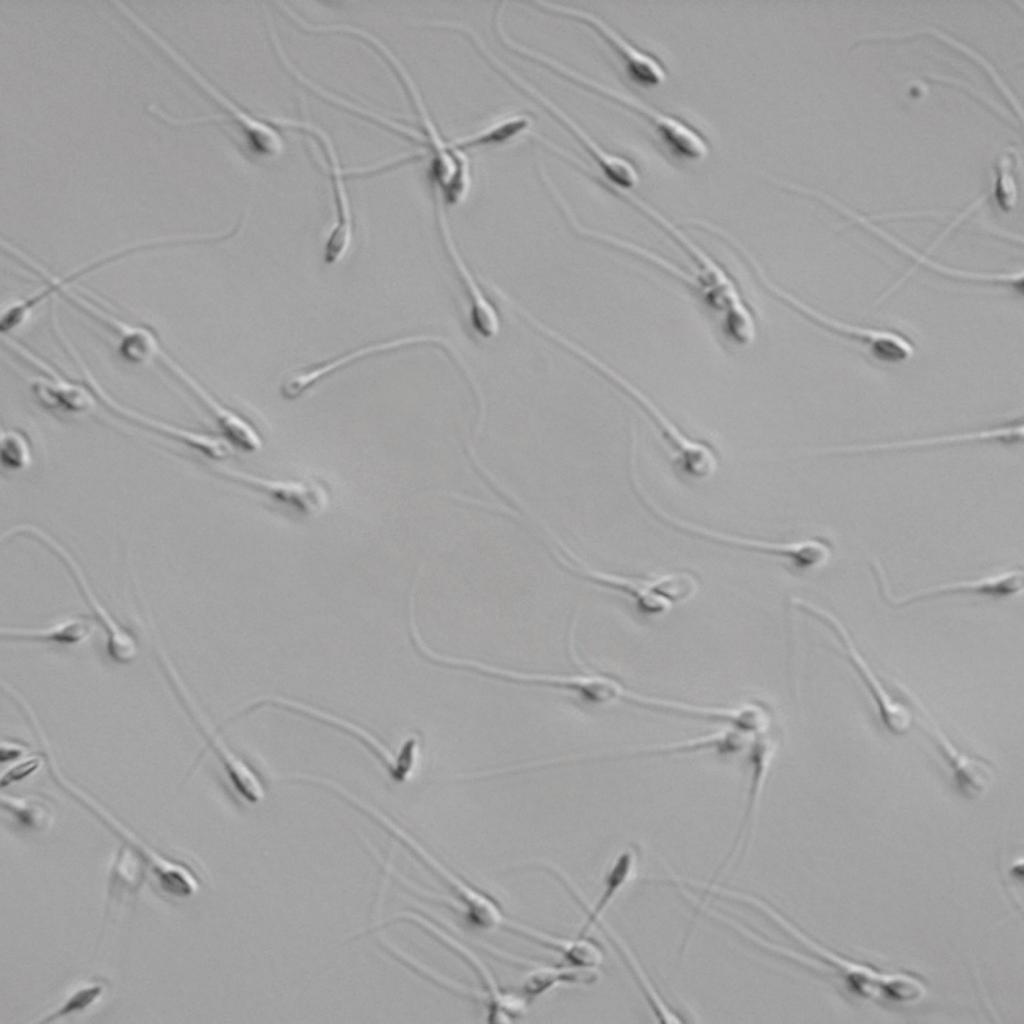
Sperm count (number of sperm)
Sperm motility (movement)
Sperm morphology (shape)
Hormone balance, especially testosterone
Proper function of the reproductive organs
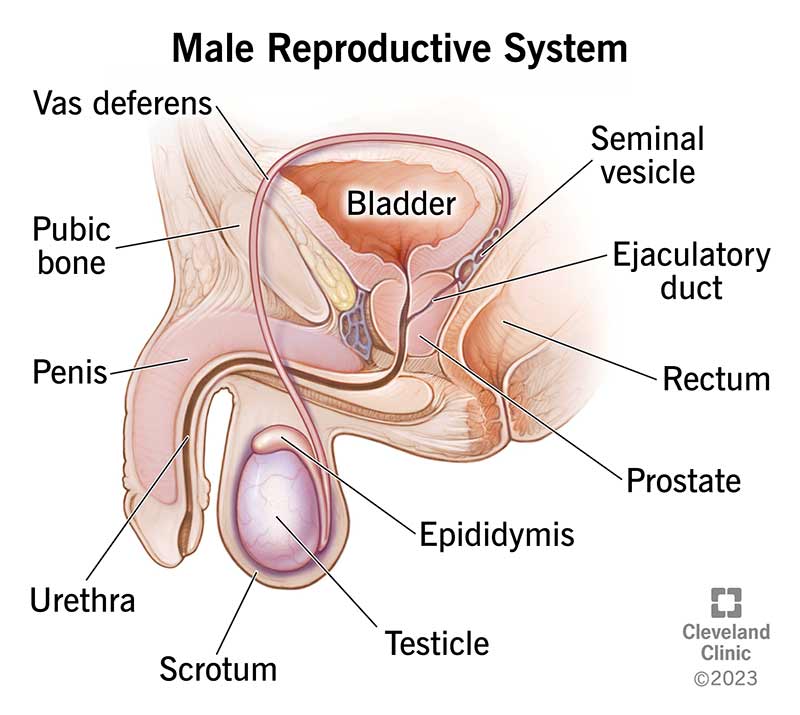
Healthy sperm are produced in the testicles and mature in the epididymis before being released during ejaculation.
How Sperm Production Works
Sperm production (spermatogenesis) takes about 64–72 days. The process involves:
Hormonal signals from the brain (FSH and LH hormones)
Testosterone production
Continuous sperm development in the testicles
Maturation and storage in the epididymis
Because the cycle takes over two months, lifestyle improvements may take 2–3 months before showing results in sperm quality.
Common Causes of Male Infertility
Several medical and lifestyle factors can affect sperm health.
1. Low Sperm Count (Oligospermia)
Fewer sperm reduce the chances of fertilization.
2. Poor Sperm Motility
Sperm may not swim effectively toward the egg.
3. Abnormal Sperm Shape
Misshapen sperm struggle to penetrate the egg.
4. Varicocele
Enlarged veins in the scrotum that can impair sperm production.
5. Hormonal Imbalance
Low testosterone or pituitary gland issues.
6. Lifestyle Factors
Smoking
Excess alcohol
Obesity
Drug use
Chronic stress
Poor diet
Heat exposure (saunas, tight clothing, laptops on lap)
Symptoms of Male Fertility Problems
Many men experience no obvious symptoms. However, possible signs include:
Difficulty achieving pregnancy after 12 months
Low sexual desire
Erectile dysfunction
Pain or swelling in testicles
Reduced facial or body hair (possible hormone issue)
How Male Fertility Is Diagnosed
Doctors typically perform:
Semen analysis (checks count, motility, morphology)
Hormone testing (testosterone, FSH, LH)
Scrotal ultrasound
Genetic testing (in some cases)
A semen analysis is the most important test and may need to be repeated for accuracy.
Natural Ways to Improve Male Fertility



Click here for all-natural male fertility breakthrough that’s in Fertility Factor 5®.
Improving fertility often starts with lifestyle changes.
1. Eat a Fertility-Boosting Diet
Focus on:
Leafy greens
Berries
Nuts (especially walnuts)
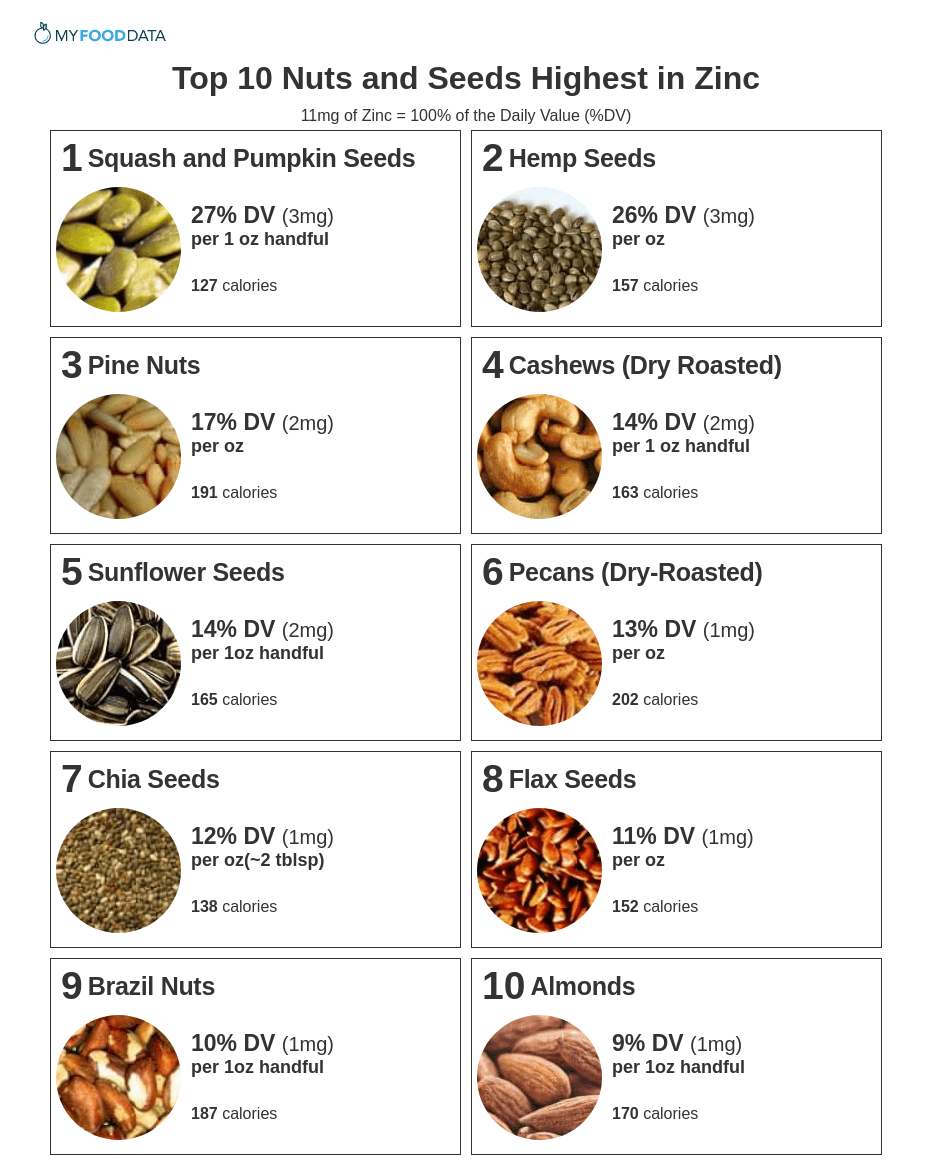
Pumpkin seeds (rich in zinc)
Fatty fish (omega-3)
Eggs
Whole grains
Key nutrients:
Zinc
Selenium
Vitamin C
Vitamin E
Folate
Omega-3 fatty acids
CoQ10
2. Maintain a Healthy Weight
Obesity lowers testosterone and reduces sperm quality.
3. Exercise Regularly
Moderate exercise improves hormone balance and circulation.
4. Reduce Stress
Chronic stress increases cortisol, which negatively impacts testosterone.
5. Improve Sleep
Aim for 7–9 hours per night to regulate hormones.
6. Avoid Heat Exposure
Avoid hot tubs and saunas
Don’t place laptops directly on your lap
Wear loose underwear
7. Quit Smoking & Limit Alcohol
Smoking damages sperm DNA and reduces count.
Click here for all-natural male fertility breakthrough that’s in Fertility Factor 5®.
Best Supplements for Male Fertility
Certain supplements may help improve sperm parameters:
Zinc
Selenium
Coenzyme Q10
L-Carnitine
Ashwagandha
Vitamin D
Omega-3
Always consult a healthcare provider before starting supplements.
Medical Treatments for Male Infertility
Depending on the cause, treatment may include:
Hormone therapy
Surgery (e.g., varicocele repair)
Antibiotics (for infections)
Assisted reproductive techniques such as:
IUI (Intrauterine Insemination)
IVF (In Vitro Fertilization)
ICSI (Intracytoplasmic Sperm Injection)
Modern reproductive medicine has significantly improved success rates.
How Long Does It Take to Improve Sperm Quality?
Since sperm development takes about 2–3 months, most lifestyle improvements require at least 90 days to show measurable results.
Consistency is key.
When to See a Doctor
You should consult a specialist if:
You’ve been trying to conceive for 12 months (or 6 months if over age 35 partner)
You have a history of testicular injury
You experience erectile or ejaculation issues
You have known hormone disorders
Early evaluation increases treatment success.
Final Thoughts: Supporting Male Fertility Naturally
Male fertility is influenced by nutrition, lifestyle, hormones, and overall health. While some causes require medical treatment, many men can significantly improve sperm quality through:
Better diet
Regular exercise
Stress reduction
Proper sleep
Avoiding toxins
.jpeg)
Fertility Factor 5™
Finally, there is hope for men suffering from fertility issues. Fertility Factor 5 is a male fertility supplement. Men with medical conditions often require surgery, painful injections, or expensive and ineffective prescriptions. This is a product for the rest of us, men who fear that inadequate sperm count and poor sperm quality diminish their chances of conceiving, and want to boost their chances by a natural and easy method.
VigRX has formulated an all-natural male fertility supplement with ingredients that have been clinically proven to:
- Improve Sperm Population (Count)
- Improve Sperm Morphology (Shape)
- Improve Sperm Motility (Movement)
- Improve Spermatogenesis (Development)
- Increase Semen Volume
.jpeg)
Post a Comment