
Head lice are a common problem, especially among school-aged children. While they are not dangerous and do not spread disease, they can cause itching, discomfort, and stress for both children and parents. The good news is that head lice and their eggs (called nits) can be effectively treated with the right approach.
In this guide, you’ll learn how to identify head lice, understand their life cycle, and choose the best treatment methods to eliminate both lice and eggs completely.
What Are Head Lice?


Head lice are tiny parasitic insects that live on the scalp and feed on human blood. They are about the size of a sesame seed and can be difficult to see. Lice lay eggs (nits) that attach firmly to hair shafts near the scalp.
Common Symptoms:
Intense scalp itching
A tickling feeling on the scalp
Small red bumps on the scalp, neck, or shoulders
Difficulty sleeping (lice are more active at night)
Head lice spread mainly through direct head-to-head contact. They do not jump or fly, but they crawl quickly.
Understanding the Lice Life Cycle
To successfully treat head lice, it’s important to understand their life cycle:
Eggs (Nits) – Hatch in 7–10 days.
Nymphs – Immature lice that mature in about 7 days.
Adult Lice – Live up to 30 days on the scalp.
If even a few eggs survive treatment, the infestation can return. That’s why removing both lice and eggs is essential.
Over-the-Counter Treatments
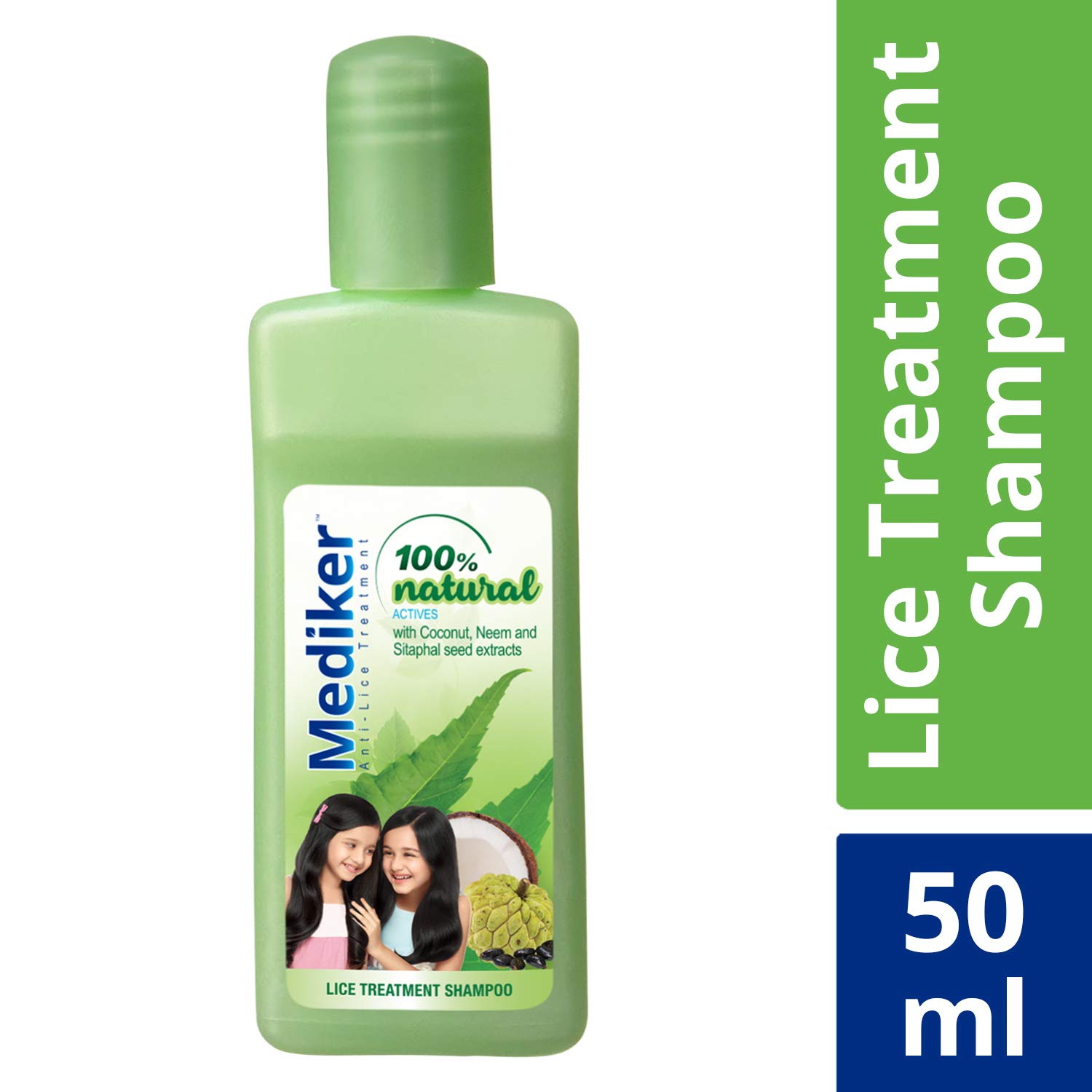
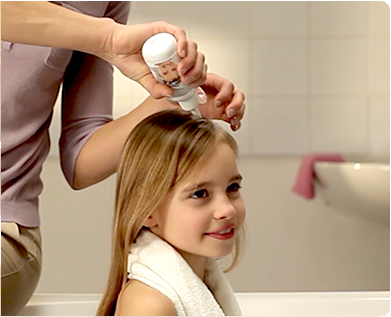
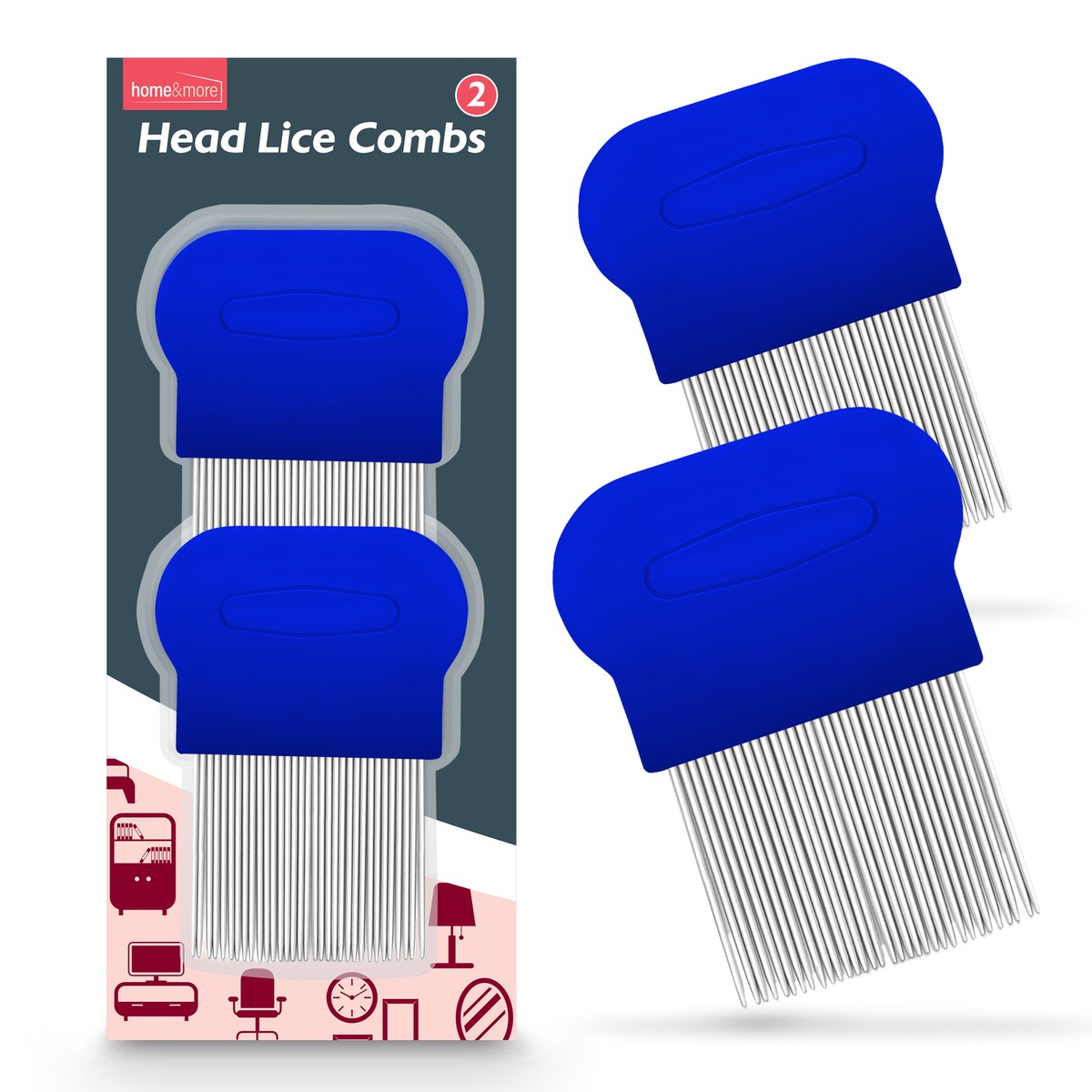

Many pharmacies offer medicated shampoos and lotions specifically designed to kill lice.
1. Permethrin-Based Treatments
Often the first choice
Safe for children over 2 months
Kills live lice but may not kill all eggs
2. Pyrethrin-Based Products
Derived from chrysanthemum flowers
Usually require a second treatment after 7–10 days
⚠️ Important: Always follow the instructions carefully and repeat treatment if recommended.
Prescription Treatments
If over-the-counter products fail, a doctor may prescribe stronger treatments such as:
Benzyl alcohol lotion
Ivermectin lotion
Malathion lotion
These medications can be more effective against resistant lice. Consult a healthcare provider before use.
Removing Lice Eggs (Nits)
Even after using medicated treatment, manual removal of eggs is necessary.
How to Remove Nits Properly:
Use a fine-toothed metal lice comb.
Work on wet, conditioned hair.
Divide hair into small sections.
Comb from the scalp to the ends.
Wipe the comb on a tissue after each pass.
Repeat combing every 2–3 days for at least two weeks.
Natural and Home Remedies
Some families prefer natural methods. While scientific evidence is limited, certain options may help:
Wet combing method (without chemicals)
Tea tree oil (mixed properly and used cautiously)
Olive oil or coconut oil to suffocate lice
However, home remedies may not always be fully effective. Be cautious and monitor closely.
Cleaning the Home Environment
Head lice do not survive long away from the scalp, but basic cleaning helps prevent reinfestation.
What to Do:
Wash bedding, hats, and clothing in hot water.
Dry on high heat for at least 20 minutes.
Soak combs and brushes in hot water (at least 130°F / 54°C) for 10 minutes.
Vacuum carpets and furniture.
No need to use insecticide sprays inside the house.
Preventing Reinfestation
Avoid sharing hats, brushes, headphones, or hair accessories.
Teach children to avoid head-to-head contact.
Check family members if one person is infected.
Regular scalp checks can help detect lice early.
When to See a Doctor
Seek medical advice if:
The scalp becomes infected (redness, swelling, pus)
Over-the-counter treatments fail after two attempts
The child is under 2 months old
There are repeated infestations
Final Thoughts
Head lice are frustrating but manageable. The key to successful treatment is patience, careful combing, and repeating treatment if necessary. With consistent effort, both lice and eggs can be completely eliminated.
Remember: Head lice are common and not a sign of poor hygiene. Quick action and proper treatment will solve the problem effectively.\
.webp)
Post a Comment